
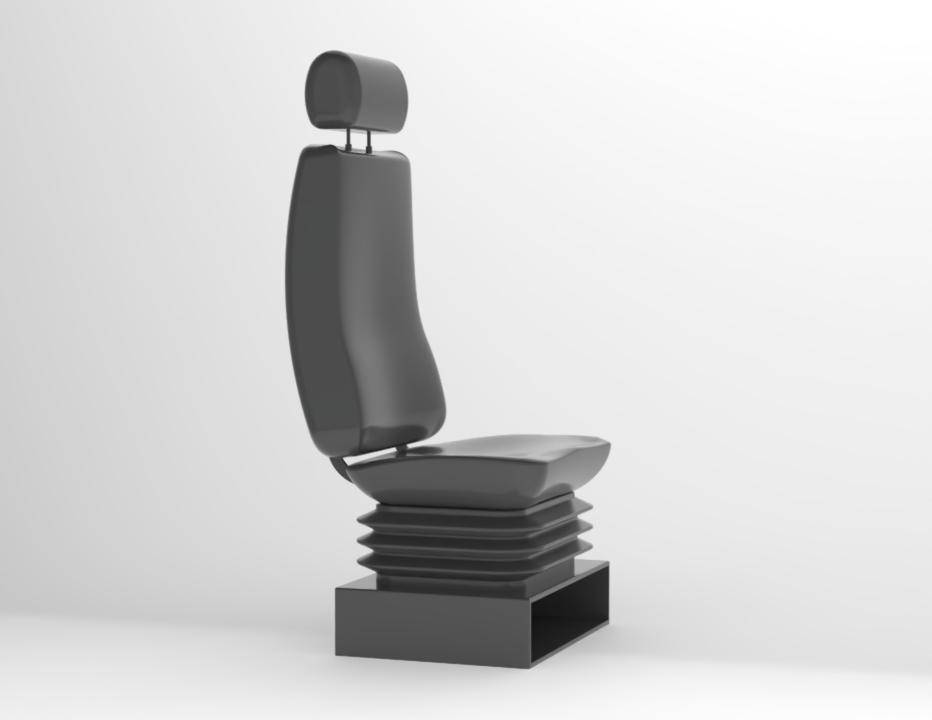
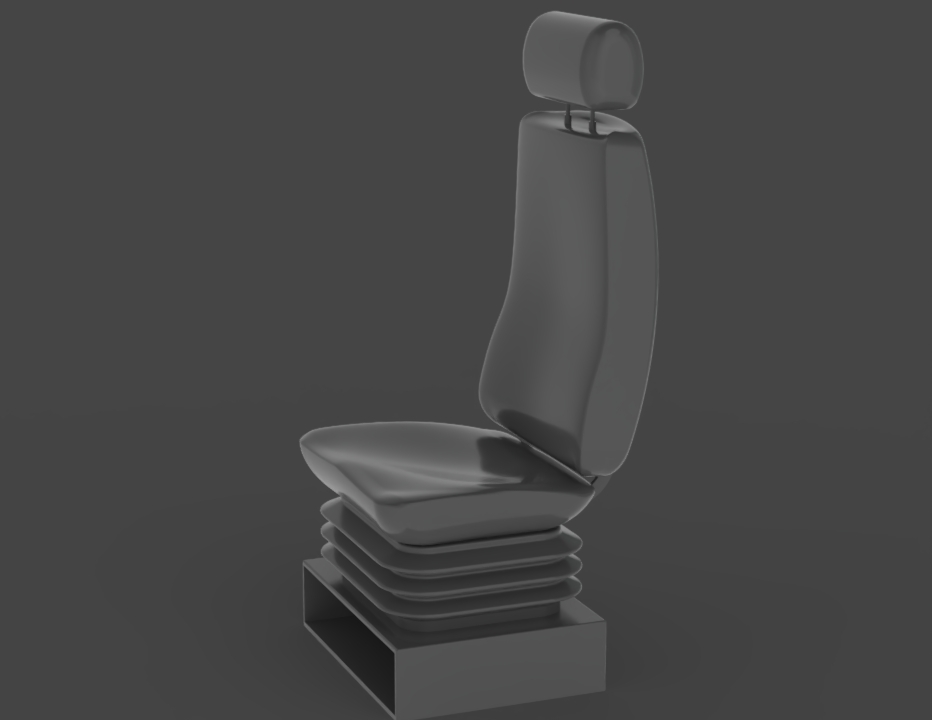
Truck Seat
$0,00
File Formats:
- SolidWorks: SLDPRT, SLDSM, STEP
Truck Seat – Detailed Overview, Features, Benefits & Design Insights
A Truck Seat is more than just a place for the driver to sit—it is a critical component that directly affects road safety, driving comfort, and long-term health. Professional truck drivers spend long hours on the road, often under demanding conditions. For this reason, the design, ergonomics, and durability of a truck seat must meet high standards.
In this article, we explore the essential features of a modern Truck Seat, including ergonomic design, material selection, adjustability, suspension systems, and safety enhancements widely used in commercial vehicles today.
1. Ergonomic Design for Long-Haul Driving
Ergonomics is at the core of every high-quality Truck Seat. Manufacturers focus on supporting the driver’s spine, reducing fatigue, and minimizing pressure on the lower back. Some of the most important ergonomic features include:
-
Contoured backrest that supports natural spine curvature
-
Adjustable lumbar support for improved posture
-
Wide seat base with pressure-relief foam
-
Breathable upholstery to reduce heat buildup
Ergonomic truck seats not only improve comfort but also contribute to safer driving by keeping the driver more alert.
2. Suspension Systems for Shock Absorption
Long-distance trucks regularly encounter uneven roads. A reliable suspension system integrated into the Truck Seat helps absorb vibrations and impacts. Common suspension types include:
-
Air suspension seats
-
Mechanical suspension systems
-
Hydraulic dampened seats
These systems reduce driver fatigue and protect the body from continuous micro-vibrations.
3. Adjustability for Customized Comfort
A modern Truck Seat offers multiple adjustment points that allow the driver to find their most comfortable seating position. Typical adjustments include:
-
Height adjustment
-
Seat depth adjustment
-
Backrest angle
-
Armrest height and position
-
Headrest adjustment
-
Forward/backward rail movement
This level of customization is essential for drivers of different body types and ensures long-term comfort.
4. Durable Materials & Upholstery Options
Truck seats must withstand heavy use over many years. Therefore, manufacturers often use:
-
High-density foam for long-lasting support
-
Heavy-duty fabric or leatherette for durability
-
Anti-tear stitching for added reinforcement
-
Moisture-resistant surfaces for easy cleaning
These materials extend the seat’s lifespan even under extreme working conditions.
5. Integrated Safety Features
Modern truck seats include several built-in safety features, such as:
-
Seat belt mounting points
-
Side-impact reinforcement
-
Anti-submarining seat design
-
Head and neck support
These safety enhancements reduce the risk of injury during sudden stops or collisions.
6. Additional Functional Enhancements
To improve efficiency and convenience, many Truck Seat models offer:
-
Storage compartments
-
Heating or cooling systems
-
Vibration massage functions
-
Easy-slide mechanism for cabin access
These optional features increase overall driver satisfaction during long duty cycles.
Conclusion
A Truck Seat is a vital component that directly influences driver comfort, safety, and long-term performance. Modern designs combine ergonomic engineering, advanced suspension systems, durable materials, and safety innovations. Whether you’re designing a new truck cabin, upgrading an existing seat, or modeling a Truck Seat for 3D and CAD applications, understanding these features ensures a more efficient and driver-friendly solution.
Find more items to download on Shop.
| CAD Software Preference |
SolidWorks |
|---|
You must be logged in to post a review.

Reviews
There are no reviews yet.