
Hospital Layout Revit Families
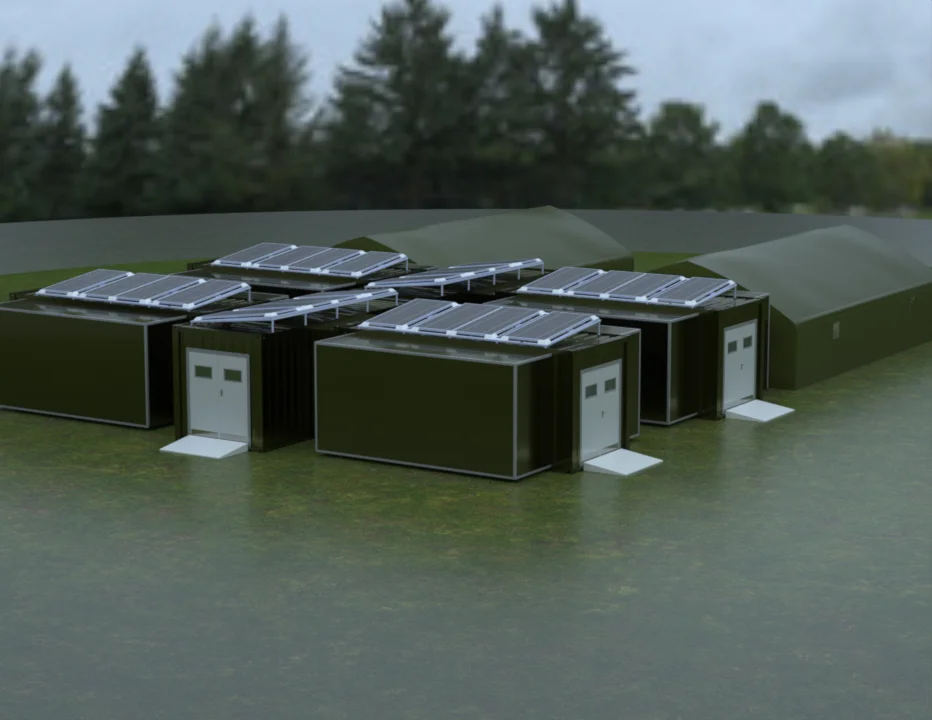
Hospital Layout Revit Families: Essential BIM Resources for Efficient Medical Facility Design
Designing a modern hospital requires precision, strict compliance with healthcare standards, and seamless coordination between architecture, engineering, and clinical workflows. In Building Information Modeling (BIM), hospital layout Revit families play a crucial role by providing accurate, ready-to-use components tailored for medical environments. These families help architects, engineers, and BIM specialists produce detailed, coordinated, and efficient healthcare facility designs from the earliest concept stage to final documentation.
The Importance of Revit Families in Hospital Layout Design
Hospital design involves complex spatial planning, highly specialized equipment, and strict regulations related to safety, hygiene, accessibility, and medical workflow efficiency. Traditional 2D methods often fall short in capturing these complexities.
This is where Revit families become indispensable.
By providing parametric, intelligent objects that represent real hospital components, hospital layout Revit families allow designers to:
-
Build accurate digital models of patient care environments
-
Visualize operational flows within departments
-
Maintain compliance with medical standards
-
Coordinate across multi-disciplinary teams with fewer errors
In short, Revit families transform hospital design from a static process into an intelligent, data-driven workflow.
How Hospital Layout Revit Families Improve Healthcare BIM Workflows
Architects, mechanical engineers, electrical engineers, and BIM designers rely on hospital layout Revit families for several reasons:
1. Improved Spatial Accuracy
Revit families are dimensionally precise, ensuring equipment, beds, casework, and other medical elements fit exactly as required. This is critical to meet code-regulated minimum clearances in patient rooms, operating theaters, and emergency departments.
2. Optimized Department Workflow
Healthcare operations depend on efficient movement—for patients, staff, and equipment. Well-structured healthcare Revit families support simulation of real clinical workflows, helping designers position spaces and equipment correctly.
3. Better Multi-Disciplinary Coordination
MEP, structural, and architectural teams can coordinate their models using the same Revit family dataset, reducing clashes, design conflicts, and late-stage changes.
4. Faster Documentation & Revisions
Parametric families automatically update with design changes, saving significant time during revisions and ensuring documentation stays consistent.
5. Compliance with Healthcare Standards
Many hospital BIM models embed critical data such as material requirements, maintenance info, and manufacturer specifications—helping teams meet national and international healthcare design standards.
Key Categories of Hospital Layout Revit Families
Healthcare projects rely on a wide range of families representing specialized clinical environments. Below are the primary categories used in hospital design:
1. Patient Room Components
-
Patient beds
-
Wall-mounted medical panels
-
Overbed lights
-
Bedside cabinets
-
Handwashing stations
These families ensure proper layout of patient areas while maintaining required accessibility and safety clearances.
2. Operating Room Equipment
-
Surgical tables
-
Ceiling-mounted booms
-
Anesthesia machines
-
Sterile storage units
-
Surgical lighting systems
Operating rooms require extremely precise modeling, and high-accuracy Revit families reduce the risk of design errors.
3. Emergency Department Units
-
Trauma beds
-
Triage stations
-
Resuscitation equipment
-
Fast-track treatment bays
These elements support the fast-paced and space-critical design of emergency departments.
4. Nurse Stations & Administrative Areas
-
Built-in desks
-
Modular workstations
-
Charting stations
-
Medical record cabinets
Nurse stations are communication hubs, making spatial optimization essential for workflow efficiency.
5. Diagnostic Equipment
-
MRI machines
-
CT scanners
-
X-ray units
-
Ultrasound tables
These families represent highly sensitive equipment with strict room sizing, shielding, and clearance requirements.
6. Hospital Furniture & Fittings
-
Waiting area seating
-
Reception counters
-
Storage units
-
Shelving systems
-
Toilets and accessibility fixtures
Supporting families help complete architectural layouts with functional detail.
Main Benefits of Using Hospital Layout Revit Families
The advantages of using hospital layout Revit families go beyond visual modeling—they create a more accurate, efficient, and collaborative healthcare project environment.
✔ Reduced Design Errors
Critical spaces like ORs, emergency rooms, and diagnostic labs require precise positioning. High-quality Revit families reduce mistakes during planning.
✔ Faster Project Delivery
Parametric models allow teams to update entire layouts quickly when a design changes, significantly improving delivery schedules.
✔ Enhanced Visualization
BIM teams can produce 3D views, walkthroughs, and renderings that help clients understand spatial relationships more clearly.
✔ Better Stakeholder Coordination
Architects, MEP engineers, medical planners, and contractors work from the same data-rich model, improving communication.
✔ Stronger Compliance & Safety Management
Many Revit hospital equipment families include metadata for ventilation, clearances, infection control, and maintenance requirements.
Real-World Use Cases in Hospital Design
Revit families are used in virtually every phase of modern healthcare architecture. Common use cases include:
● Patient Room Prototyping
Design teams test multiple layout options for patient comfort, nurse accessibility, and integration of medical panels.
● Operating Room Planning
Boons, surgical lights, and equipment rails are positioned digitally to avoid clashes and meet clinical workflow needs.
● Emergency Department Optimization
Revit models help simulate patient movement from triage to treatment, improving efficiency.
● Diagnostic Suite Coordination
MRI and CT rooms require strict magnetic field zones, shielding, and equipment clearances—Revit families automate these requirements.
● Facility Expansion & Renovation Projects
Existing building data is integrated with new hospital BIM models to ensure seamless updates and extensions.
Download Hospital Layout Revit Families & Begin Designing Smarter
High-quality hospital layout Revit families give architects, engineers, and BIM professionals the precision and efficiency needed to deliver world-class medical environments.
👉 Ready to improve your healthcare BIM workflow?
Download our complete collection of hospital layout Revit families, explore category-specific packages, or browse the full healthcare Revit family library to streamline your next medical facility project.