
Mechanical Engineering
Mechanical Engineering: A Complete Guide to the Field, Skills, and Career Opportunities
Mechanical engineering is one of the oldest and broadest branches of engineering, often referred to as the “mother of engineering.” It plays a crucial role in shaping the modern world, from designing small mechanical components to building complex systems such as aircraft, power plants, and medical devices. As industries rapidly evolve, mechanical engineering remains at the heart of innovation, energy efficiency, and technological advancement.
What Is Mechanical Engineering?
Mechanical engineering is the discipline that applies principles of physics, mathematics, and material science to design, analyze, manufacture, and maintain mechanical systems. It focuses on how things work—whether it’s the motion of a simple lever, the efficiency of a car engine, or the operation of a robotic arm. Mechanical engineers develop solutions that make processes faster, safer, and more sustainable.
Key Areas of Application
Mechanical engineering covers a wide range of industries, including:
- Automotive Engineering – designing vehicles, engines, and safety systems.
- Energy Systems – working with renewable energy, turbines, and power plants.
- Aerospace and Marine Engineering – developing aircraft, spacecraft, and ships.
- Robotics and Automation – creating intelligent machines and industrial robots.
- Biomedical Engineering – designing prosthetics, medical devices, and hospital equipment.
- HVAC Systems – optimizing heating, ventilation, and air conditioning systems.
Essential Skills for Mechanical Engineers
To succeed in this field, professionals need a combination of technical knowledge and practical skills. Some of the most in-demand skills include:
- Problem-Solving and Critical Thinking – analyzing complex systems and finding solutions.
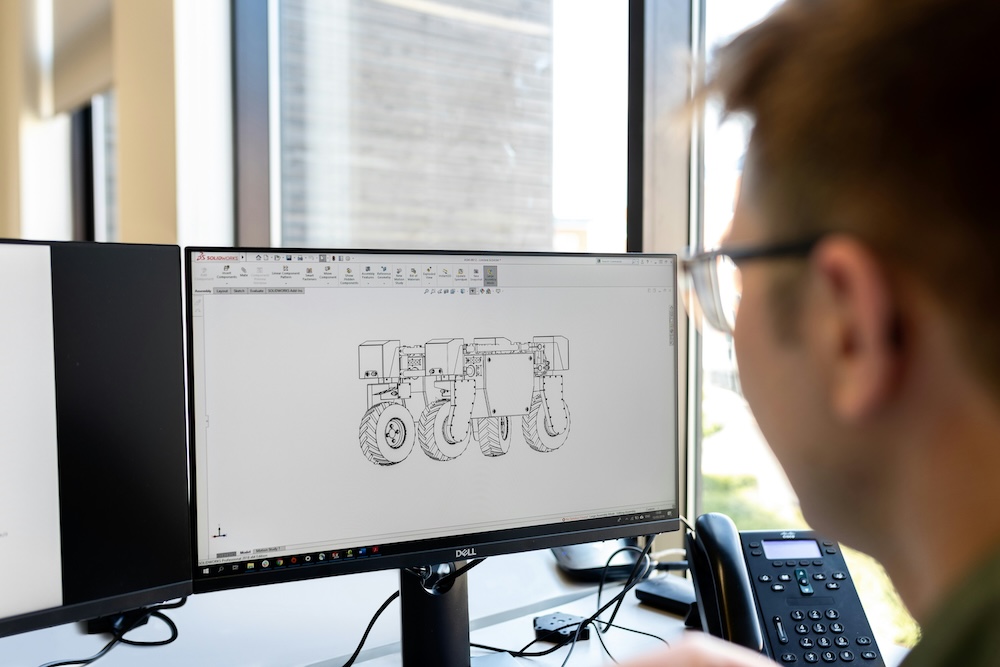
- Computer-Aided Design (CAD) and Simulation – proficiency in software like AutoCAD, SolidWorks, and ANSYS.
- Knowledge of Materials and Manufacturing – understanding how materials behave under stress, heat, and pressure.
- Teamwork and Project Management – collaborating with multidisciplinary teams on large-scale projects.
- Adaptability and Continuous Learning – staying updated with advancements in automation, AI, and renewable energy.
Career Opportunities and Job Outlook
Mechanical engineering offers one of the most diverse career paths in the engineering world. Graduates can work in:
- Automotive companies (designing safer and more efficient vehicles)
- Aerospace and defense industries (developing advanced aircraft and drones)
- Energy and sustainability projects (solar, wind, nuclear, and hydroelectric power)
- Manufacturing and production industries
- Research and development centers
- Startups and technology firms
According to global employment reports, demand for mechanical engineers is expected to grow steadily due to advancements in renewable energy, robotics, and sustainable manufacturing. This ensures long-term career security and global opportunities for professionals in the field.
Advantages and Challenges of the Profession
Like any career, mechanical engineering comes with both rewards and challenges.
Advantages:
- Versatility and wide range of job opportunities
- Contribution to solving global challenges (energy, sustainability, healthcare)
- High earning potential and career growth prospects
Challenges:
- Continuous need for learning due to fast-evolving technology
- Competitive job market requiring specialized skills
- Sometimes demanding work environments in industrial settings
Mechanical engineering is a dynamic, innovative, and future-oriented field that bridges science, technology, and industry. It offers professionals the chance to work on projects that directly impact society, from cleaner energy to smarter machines. For students and professionals passionate about design, problem-solving, and innovation, mechanical engineering is not only a career choice but also a gateway to shaping the future.