
Revit Family Definition: Understanding the Core of BIM Modeling
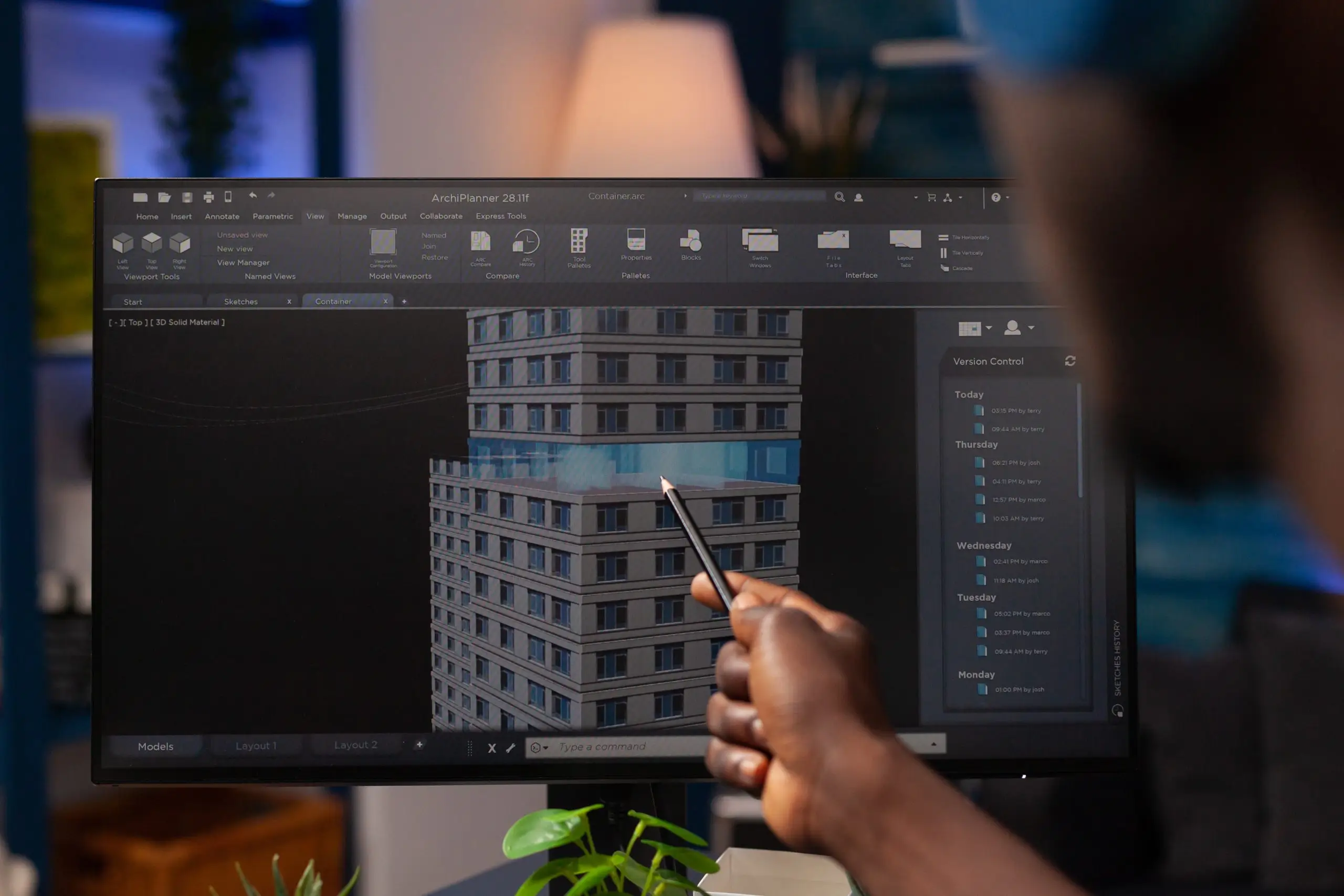
Revit Family Definition: Understanding the Core of BIM Modeling
In modern building projects, engineers, architects, and students often face a common challenge: how to maintain consistency and efficiency across complex designs. Without a standardized approach, creating windows, doors, furniture, or mechanical components repeatedly becomes time-consuming and prone to errors. This is where understanding the Revit family definition becomes essential.
What is a Revit Family?
The Revit family definition refers to the core building blocks of Autodesk Revit, which are parametric components used to create and manage elements in a Building Information Modeling (BIM) environment. Every element—whether a structural beam, a mechanical fixture, or a simple piece of furniture—belongs to a family. These families define the geometry, behavior, and parameters of the element, making it easier to reuse and adapt in multiple projects.
Why Revit Families Solve Design Challenges
By using Revit families, engineers and designers can eliminate repetitive manual work. For instance, instead of drawing every variation of a window or chair, a single family can hold adjustable parameters such as height, width, or material. This parametric modeling capability ensures flexibility and accuracy, reducing both time and potential mistakes during design and construction phases.
The Role in BIM Workflow
Another key benefit of families lies in their role within the BIM workflow. Since each Revit family stores not only geometry but also metadata—such as materials, performance specifications, and cost information—they become critical for collaboration. Architects, engineers, and contractors can rely on these intelligent objects to streamline coordination, detect clashes early, and ensure that the final model aligns with both design intent and construction requirements.
Practical Applications for Engineers and Students
For professional engineers, mastering the Revit family definition means faster project delivery and greater control over design variations. For student engineers, it offers a clear introduction to the relationship between digital modeling and real-world construction. By practicing with families, they gain insight into how architectural design integrates with mechanical, structural, and fabrication drawings.
Conclusion
Understanding the Revit family definition is more than just learning terminology—it’s about recognizing how parametric components drive efficiency in design and construction. Through parametric modeling, integrated BIM workflow, and practical architectural design applications, Revit families provide both professionals and students with a reliable foundation for smarter, more accurate projects..
You can find more info with JEbCAD Blog.