
2D Chains: Essential Tools for Engineers and Designers
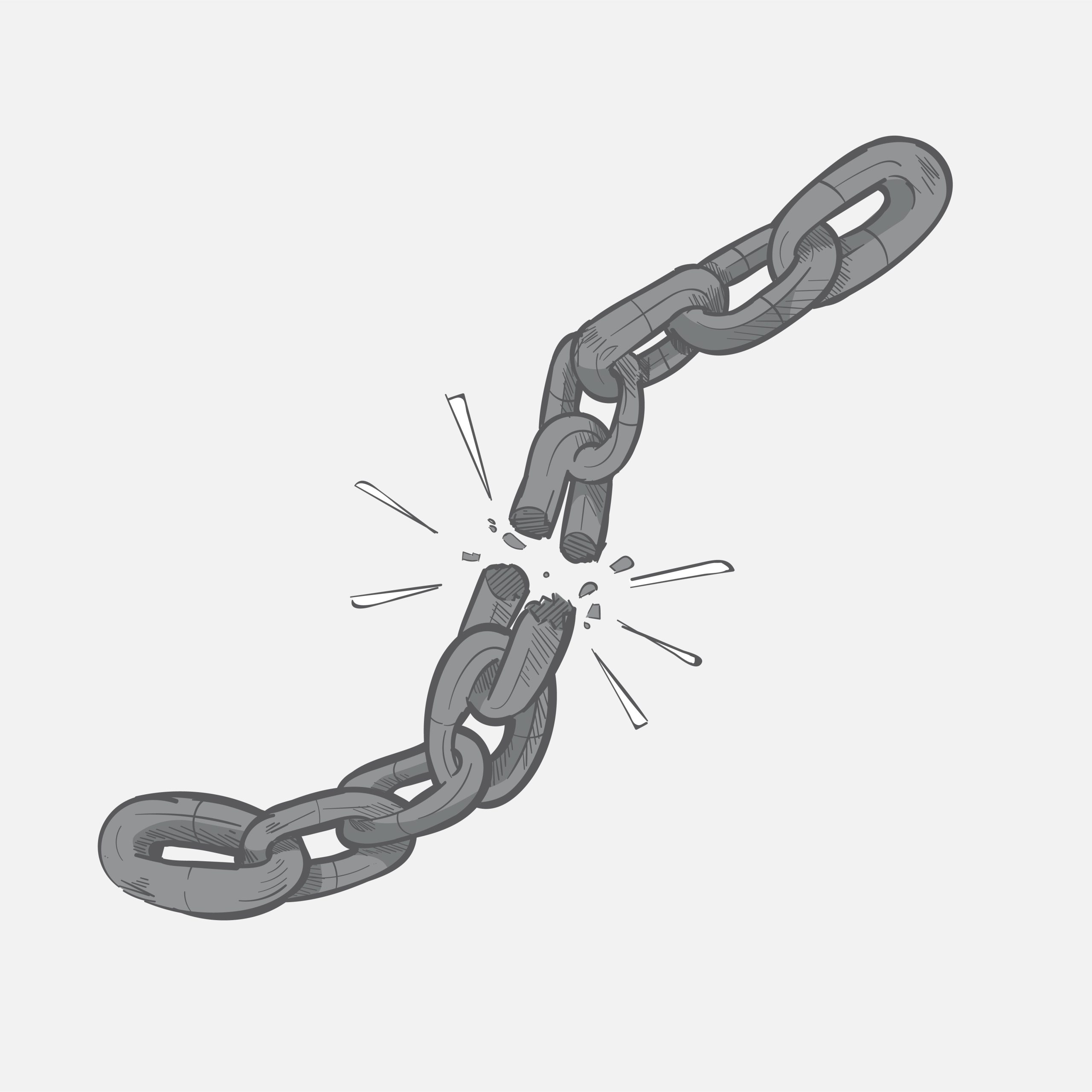
2D Chains: Essential Tools for Engineers and Designers
One of the recurring challenges in mechanical and structural design is achieving accuracy and clarity when representing components. Engineers and students often face difficulties when designing linked systems such as conveyors, gear assemblies, or load-bearing structures. Without a clear visual and technical representation, these designs risk misalignment, manufacturing errors, and inefficiencies. This is where 2D chains play a crucial role, providing a reliable foundation for both learning and professional practice.
Why 2D Chains Are Important
A 2D chain is more than just a drawing of interconnected links—it is a simplified but accurate representation of mechanical assemblies that involve motion and load transfer. By using 2D chains, engineers can study spacing, pitch, and alignment without the complexity of full 3D simulations. This makes them especially useful in the early stages of design, where precision and clarity are key to avoiding costly revisions later.
For student engineers, learning to interpret and create chains builds essential problem-solving skills. For professionals, these diagrams remain a practical tool for ensuring that mechanical layouts are both functional and efficient.
Connecting 2D Chains with CAD Modeling
While 2D representations provide simplicity, combining them with CAD modeling adds another level of insight. CAD allows engineers to convert 2D chains into dynamic 3D assemblies, test their performance under load, and visualize their motion. By linking traditional 2D drafting with modern 3D workflows, teams achieve a complete understanding of how a system will behave before fabrication begins.
The Role of Structural Drawings
In construction and heavy engineering, chains are often part of lifting, support, or conveyor systems. Here, structural drawings based on accurate 2D chains ensure compliance with safety standards and design codes. These drawings help teams coordinate between designers, fabricators, and contractors, guaranteeing that all dimensions and tolerances are clear. Students exposed to this process gain valuable knowledge of how simple chain layouts can scale into complex real-world applications.
From Drawing Board to Fabrication Design
Every drawing eventually leads to production, and fabrication design bridges that gap. With fabrication layouts derived from 2D chains, manufacturers gain the precise measurements they need to cut, assemble, and test components with minimal errors. For professionals, this streamlines the production process and reduces material waste. For students, it demonstrates how abstract technical drawings evolve into real mechanical systems.
The Path Forward to
In modern engineering, 2D chains remain a vital tool for solving design challenges. By combining them with CAD modeling, supported by detailed structural drawings and practical fabrication design, engineers and students alike can move confidently from concept to reality.
Whether you are preparing a simple study model in the classroom or managing complex machinery in industry, mastering 2D chains ensures accuracy, efficiency, and a deeper understanding of engineering principles.
You can learn more on JEBCAD 2D PAGE.