
2D Design Drawings and Recent Models: Bridging the Gap Between Concept and Construction
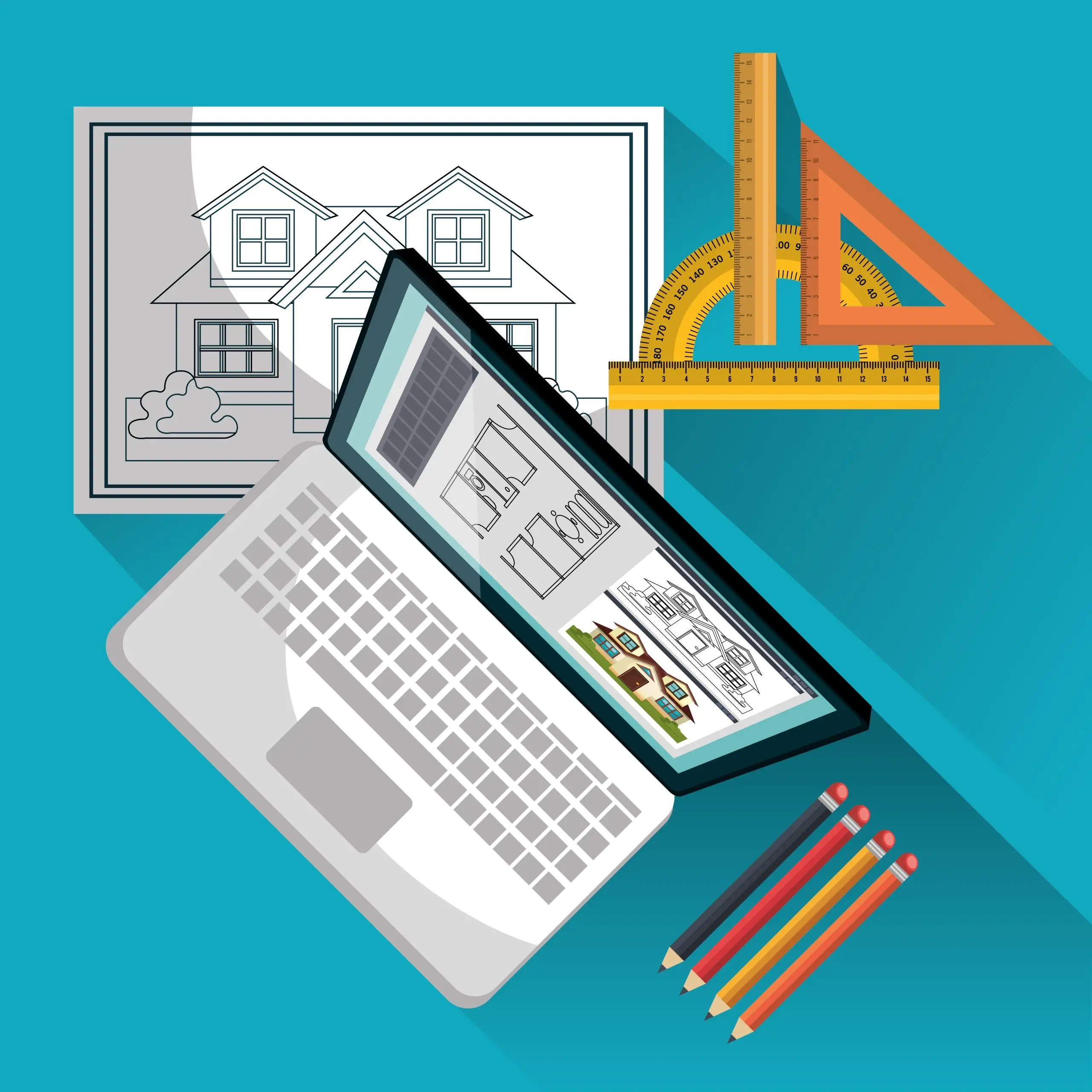
2D Design Drawings – Recent Models: Bridging the Gap Between Concept and Construction
In today’s fast-paced engineering and construction industries, accuracy, clarity, and efficiency in design documentation are more critical than ever. Yet, many professionals and student engineers alike still find themselves working with outdated or overly generic CAD resources that lack real-world application. The absence of detailed, project-ready 2D design drawings – recent models can create bottlenecks in workflows, miscommunication between teams, and ultimately, costly delays in fabrication or construction.
Fortunately, the solution lies in access to curated, up-to-date drawing packages that serve real project needs. From mechanical component designs that reflect the latest manufacturing tolerances to structural shop drawings aligned with modern code requirements, the newest generation of 2D design models is more than just visual aids — they are vital communication tools.
Why “Recent Models” Matter in 2D CAD Design
Unlike static templates or generalized diagrams, recent models are developed with current industry practices and digital fabrication standards in mind. They integrate seamlessly with BIM/AEC packages, allowing engineers to streamline coordination between disciplines and ensure that their 2D documentation is fully compatible with 3D workflows. For student engineers, working with up-to-date drawings is invaluable training — offering real-world context and professional standards to learn from.
Solving Real Problems with Practical Design Resources
Take, for example, a fabrication team relying on outdated mechanical schematics. Components that once matched older tooling tolerances might no longer fit today’s CNC machines. By working with fabrication layouts developed from 2D design drawings – recent models, engineers and manufacturers can eliminate guesswork and ensure precision from the digital model to the production floor.
Likewise, civil and structural engineers benefit immensely from having access to detailed shop drawings that not only comply with regional codes but also reflect current material specs and site coordination needs. These assets reduce RFIs, accelerate approval timelines, and contribute to overall project success.
Empowering Engineers with a Reliable Design Library
Whether you’re a professional in need of a detailed structural cross-section for a steel frame or a student drafting your first assembly layout, a resource rich in 2D design drawings – recent models can be a game-changer. These libraries offer a wide range of downloadable content — from mechanical part designs to architectural CAD sets — often available in formats compatible with major platforms like AutoCAD, Revit, or SolidWorks.
Investing time into finding reliable, updated design content means fewer revisions, better collaboration, and a smoother path from concept to construction.
You can find more on our Tips, Projects & Industrial page.