
BIM and CAD Models for Healthcare: Building Smarter Medical Solutions
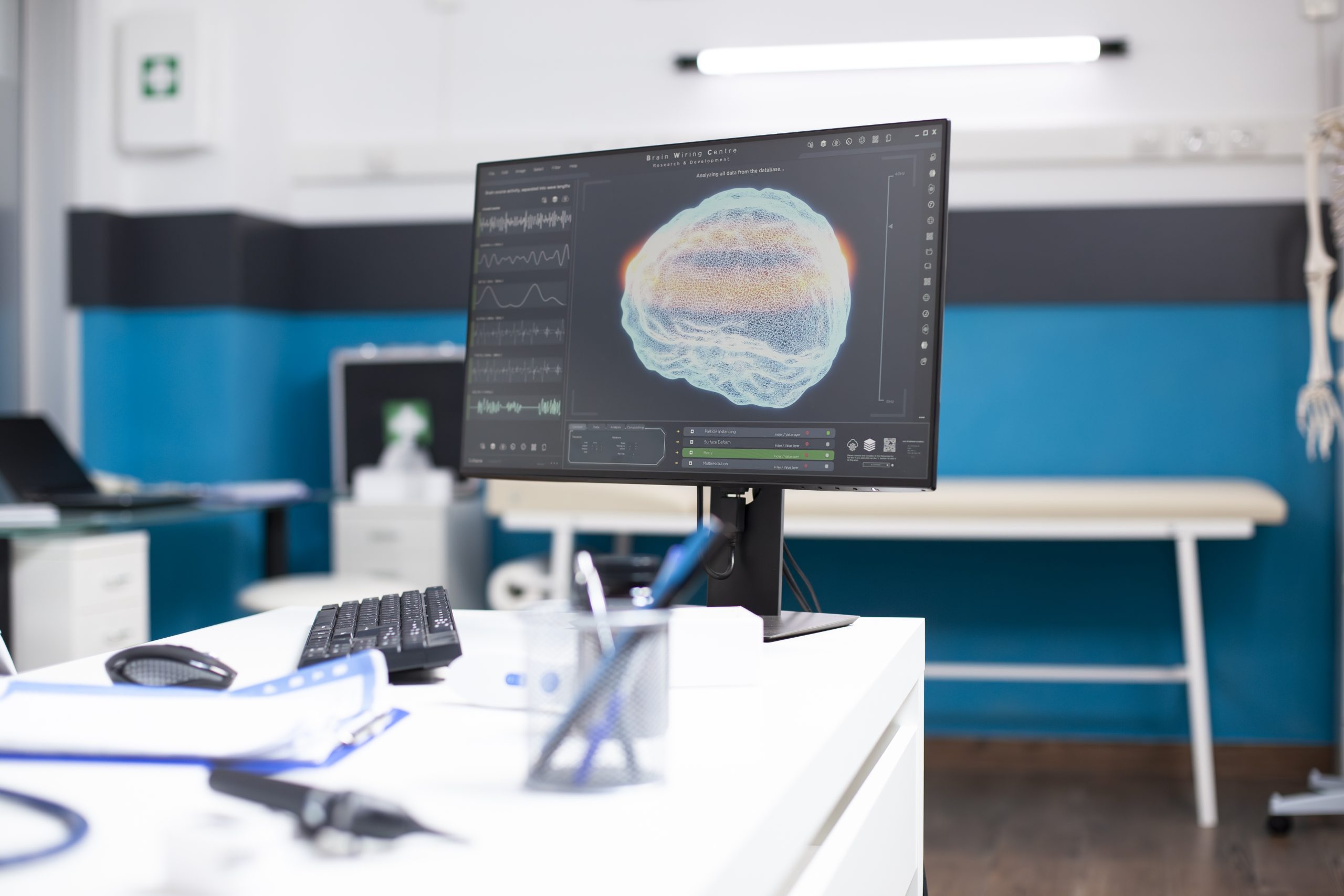
BIM and CAD Models for Healthcare: Building Smarter Medical Solutions
In today’s healthcare sector, engineers and designers face the challenge of balancing innovation with strict safety and compliance standards. Designing hospitals, clinics, or medical equipment without accurate digital tools can lead to costly errors, inefficiencies, and even patient risks. This is why BIM and CAD models for healthcare have become indispensable in modern engineering and construction.
The Role of BIM in Healthcare Projects
Building Information Modeling (BIM) brings together architecture, engineering, and construction disciplines into one collaborative workflow. In healthcare projects, BIM enables teams to design complex facilities with high accuracy—integrating electrical, mechanical, and structural systems seamlessly. For example, BIM models can help ensure that operating rooms have the right layout, ventilation, and equipment placement, minimizing conflicts during construction.
CAD Models for Medical Device Design
While BIM handles large-scale facilities, CAD models play a critical role in medical device design. From surgical instruments to diagnostic machines, CAD allows for detailed prototyping, precision adjustments, and testing before fabrication. By simulating real-world conditions in a digital space, engineers can optimize designs for safety, functionality, and user comfort.
Connecting Designs to Fabrication
Healthcare projects don’t end at design—they must be built, tested, and delivered. This is where fabrication layouts and 3D modeling become essential. CAD and BIM tools allow engineers to translate digital designs into production-ready layouts, ensuring that medical devices and building elements can be manufactured or assembled with minimal error.
Benefits for Students and Professionals
For student engineers, working with BIM and CAD models for healthcare offers a chance to explore how theory applies to real-world challenges in medicine and construction. For professionals, these tools save time, reduce costs, and ensure compliance with healthcare standards. Together, they bridge the gap between creativity and practical execution.
Conclusion
BIM and CAD models for healthcare are more than just digital drawings—they are the foundation of modern healthcare engineering. By integrating medical device design, accurate fabrication layouts, and advanced 3D modeling, engineers can deliver safer, smarter, and more efficient solutions that directly improve patient care and hospital performance.
Find more useful content with Blogs.