
CAD Models for Medical Devices and Tools
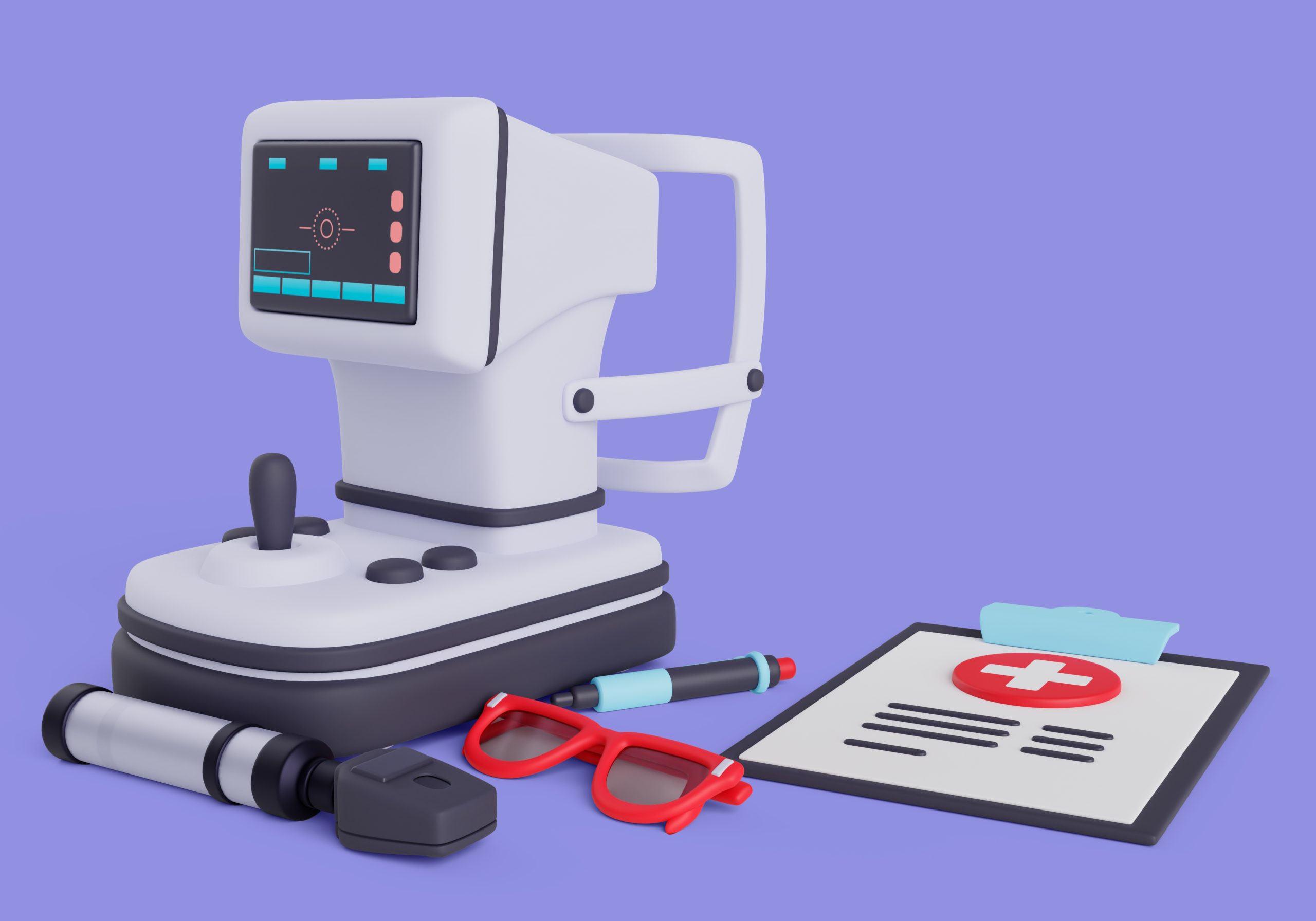
CAD Models for Medical Devices and Tools
Designing in the medical field is both rewarding and challenging. One of the most common problems engineers face is the lack of accessible and reliable resources that meet accuracy and standards of healthcare. Without dependable references, projects risk delays, redesigns, or compliance issues. This is where CAD models for medical devices and tools provide invaluable efficiency in the design process.
Why CAD Models Matter in Healthcare Engineering
Medical projects demand exactness. Whether creating surgical instruments, diagnostic equipment, or rehabilitation devices, engineers cannot afford design errors. CAD models for medical devices and tools provide a solid foundation with accurate geometries and specifications, ensuring that every component can be tested, simulated, and manufactured with reliability. Even the dimensions of the equipment are even and can be used realistically.
Applications in Modern Healthcare Design
These models go beyond simple visual representation. They integrate seamlessly with fabrication layouts, 3D printing workflows, and BIM systems. This makes them ideal for both product development and facility planning. From concept to prototype to final production, they help engineers and students bring healthcare innovations to life faster and with fewer risks.
Benefits for Professionals and Students
For professional engineers, CAD models for medical equipment save time by offering ready-to-use digital assets that align with industry standards. For students, they provide real-world learning opportunities, helping them practice design principles on models used in actual healthcare settings. This balance of accessibility and accuracy makes them a powerful resource for both education and practice.
Conclusion
With CAD models for medical equipment, the healthcare industry gains a trusted resource that bridges innovation and safety. By combining precision engineering with modern digital workflows, these models empower professionals and students alike to design tools that directly improve patient care and medical outcomes.
Find more information on Blogs.