
CAD in Automotive Market: Driving Innovation and Efficiency
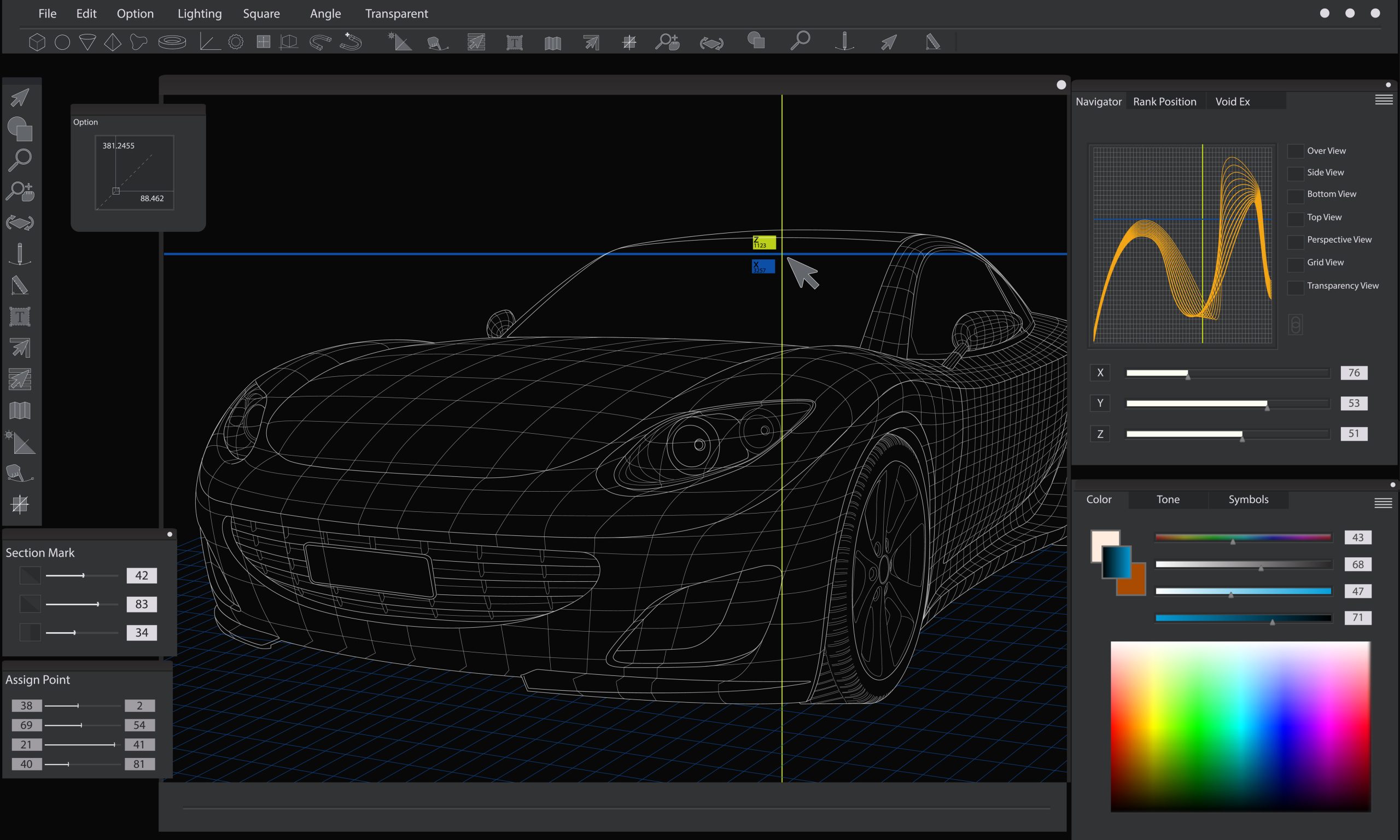
CAD in Automotive Market: Driving Innovation and Efficiency
The automotive industry is evolving rapidly, with increasing demands for precision, speed, and innovation. One major challenge engineers face is designing vehicles and components that meet safety standards, performance requirements, and manufacturing feasibility—all while staying competitive. This is where CAD in the automotive market plays a pivotal role.
The Role of CAD in Automotive Engineering
Computer-Aided Design (CAD) allows engineers to create accurate 2D drawings and 3D models of vehicles and their components. In the automotive market, CAD is essential for:
-
Mechanical Components: Designing engines, transmissions, and suspension systems with high precision.
-
Fabrication Layouts: Planning assembly lines and manufacturing workflows to reduce errors and waste.
-
3D Modeling: Visualizing vehicle design concepts before production, allowing rapid iterations and testing.
By using CAD, engineers can simulate real-world performance, test materials, and optimize designs long before physical prototypes are built.
Benefits for Professionals and Students
For student engineers, learning CAD in the automotive market offers hands-on experience with real-world design challenges. They can practice designing mechanical parts, automotive assemblies, and vehicle systems in a controlled digital environment. For professionals, CAD reduces lead times, minimizes costly errors, and accelerates innovation in a highly competitive industry.
Integration Across Automotive Workflows
Modern automotive design integrates CAD with BIM workflows, fabrication layouts, and 3D printing, allowing seamless collaboration between designers, engineers, and manufacturers. This integration ensures that designs are not only visually accurate but also manufacturable and compliant with industry standards.
Key Applications of CAD in Automotive:
-
Vehicle body design and aerodynamics
-
Powertrain and engine development
-
Electrical and electronic system layouts
-
Interior and ergonomic design
-
Prototyping, simulation, and testing
Conclusion
CAD in the automotive market is more than a design tool—it is a cornerstone of modern vehicle development. By combining precise mechanical modeling, efficient fabrication planning, and advanced 3D visualization, engineers and students alike can create safer, more innovative, and highly optimized vehicles.
See more on Blogs.