
Thermal Engineering
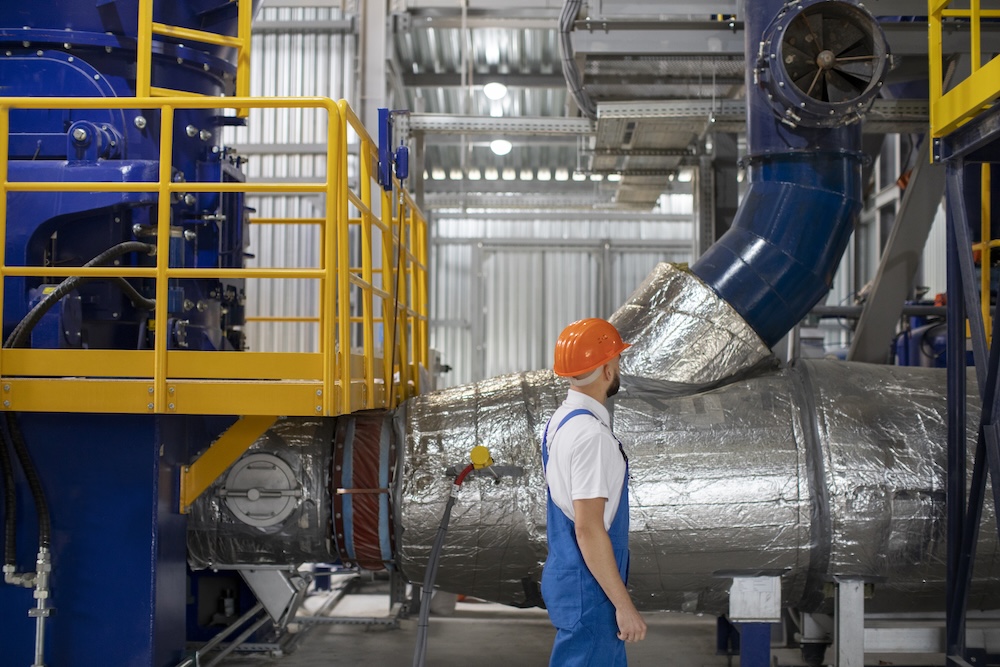
Thermal Engineering: A Complete Guide for Students and Career Seekers
Thermal Engineering is one of the core branches of Mechanical Engineering, dealing with heat transfer, thermodynamics, and energy conversion systems. From designing efficient power plants to developing sustainable HVAC systems, thermal engineers play a crucial role in solving some of the world’s most pressing challenges—energy demand, climate change, and sustainability.
For students and professionals considering this field, the big questions are:
- What exactly is Thermal Engineering?
- What subjects will I study?
- What career opportunities are available?
- How does this specialization connect with global trends like renewable energy and smart cities?
This article provides a complete guide to Thermal Engineering, tailored for students and aspiring engineers.
What Is Thermal Engineering?
Thermal Engineering is a sub-discipline of Mechanical Engineering focused on the science of heat energy—its generation, transfer, storage, and conversion into useful work.
It integrates principles from:
- Thermodynamics – study of energy, heat, and work.
- Fluid Mechanics – behavior of gases and liquids in motion and at rest.
- Heat Transfer – conduction, convection, and radiation mechanisms.
- Energy Systems – design and optimization of systems that convert energy (engines, turbines, HVAC systems, renewable technologies).
Core Areas of Thermal Engineering
1. Thermodynamics
- Laws of thermodynamics (energy conservation, entropy, efficiency).
- Study of power cycles: Rankine cycle (steam power plants), Brayton cycle (gas turbines), Otto and Diesel cycles (IC engines).
- Applications: power plants, refrigeration, automotive engines.
2. Heat Transfer
- Conduction: heat flow through solids (e.g., insulation design).
- Convection: heat transfer through fluids (e.g., cooling systems, boilers).
- Radiation: electromagnetic heat transfer (e.g., solar energy).
- Applications: solar panels, spacecraft thermal shields, electronics cooling.
3. Fluid Mechanics & Thermal Systems
- Aerodynamics and compressible flows (aviation, propulsion).
- HVAC (Heating, Ventilation, and Air Conditioning) systems.
- Refrigeration and cryogenics.
4. Energy Conversion & Sustainability
- Thermal power plants (coal, nuclear, natural gas).
- Renewable systems: solar thermal, wind–thermal hybrids, biomass.
- Energy efficiency and green building design.
Skills Required in Thermal Engineering
Students aiming to specialize in thermal engineering should focus on:
- Strong mathematics and physics background (calculus, differential equations, thermodynamics).
- Proficiency in simulation software (ANSYS, MATLAB, SolidWorks Flow Simulation, COMSOL Multiphysics).
- Problem-solving skills (optimizing thermal efficiency, reducing energy losses).
- Knowledge of materials science (thermal conductivity, heat resistance).
- Communication skills for teamwork in interdisciplinary projects.
Career Opportunities in Thermal Engineering
Thermal engineers are in high demand across industries. Typical roles include:
- Energy Engineer – designing power plants, renewable energy systems.
- HVAC Specialist – designing efficient building heating and cooling.
- Aerospace Thermal Engineer – managing thermal stresses in aircraft and spacecraft.
- Automotive Thermal Engineer – working on internal combustion, electric, and hybrid vehicles.
- Research & Development Engineer – developing advanced thermal materials, nano-fluids, and smart energy solutions.
- Academia – teaching, research, and innovation.
Why Choose Thermal Engineering?
- High Industry Demand – from renewable energy to data centers.
- Global Relevance – addresses climate change and sustainability.
- Versatile Career Paths – opportunities in power, aerospace, automotive, construction, and research.
- Innovation-Driven – constant need for efficiency improvements and new technologies.
Future Trends in Thermal Engineering
Students should prepare for emerging directions:
- Renewable Energy Systems – solar thermal plants, hydrogen technologies.
- Electric & Hybrid Vehicles – battery cooling and thermal management.
- Data Center Cooling – AI-driven optimization of thermal loads.
- Nanotechnology in Heat Transfer – nano-fluids and advanced insulation materials.
- Space Exploration – advanced thermal protection systems.
Frequently Asked Questions (FAQ)
Q1: Is Thermal Engineering difficult?
It requires a strong foundation in physics and mathematics, but with consistent study, it becomes manageable and highly rewarding.
Q2: What is the difference between Thermal Engineering and Mechanical Engineering?
Mechanical Engineering is broad, covering all mechanical systems, while Thermal Engineering focuses specifically on heat, energy, and fluid systems.
Q3: What industries hire thermal engineers?
Energy, aerospace, automotive, construction, electronics, and manufacturing sectors all need thermal engineers.
Q4: What software should a thermal engineering student learn?
ANSYS Fluent, MATLAB, SolidWorks (with Flow Simulation), COMSOL, and AutoCAD.
Thermal Engineering is not just about heat—it is about powering industries, enabling sustainable living, and shaping the future of energy. For students, it offers a dynamic career path that blends scientific depth with real-world applications. Whether you want to design next-generation renewable systems, improve industrial energy efficiency, or work on space missions, Thermal Engineering opens the door to endless possibilities.