
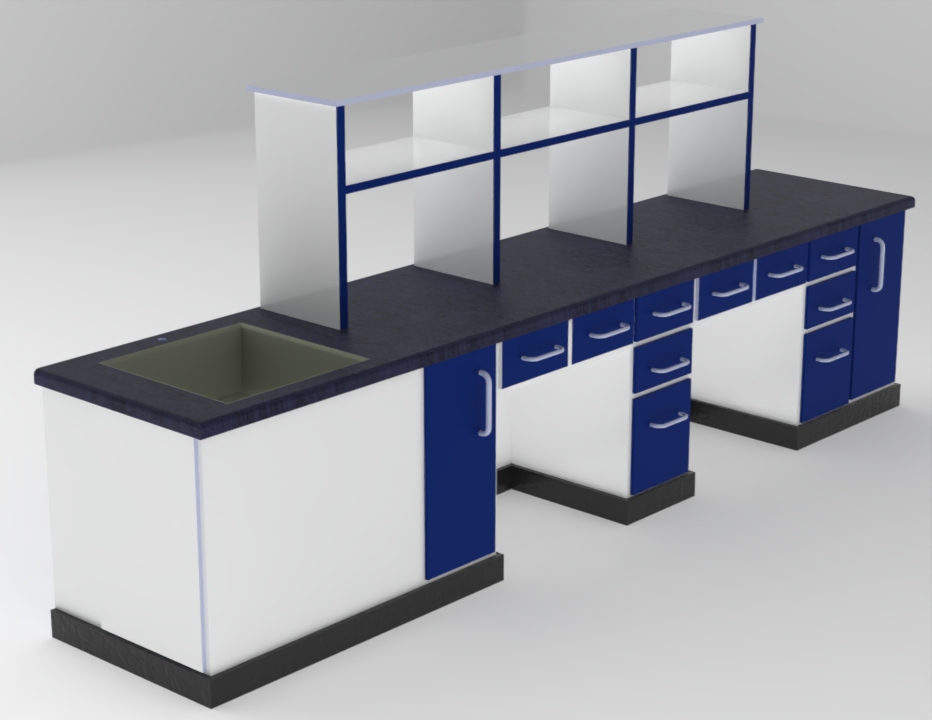

Workbench Table
$0,00
File Formats:
- SolidWorks: SLDPRT, SLDSM, STEP
Workbench Table – Complete Guide to Features, Materials & Uses
A Workbench Table is one of the most essential components in any workshop, garage, industrial facility, or maker space. Designed to provide a stable, ergonomic, and durable working platform, workbench tables support a wide range of tasks—from woodworking and metalworking to electronics assembly and precision repair work.
Whether you’re creating a 3D model, selecting a bench for professional use, or planning a custom design, understanding the structure and features of a high-quality workbench table is vital.
1. What Is a Workbench Table?
A workbench table is a sturdy, reinforced table designed to handle heavy tools, machinery, and manual operations. Unlike standard tables, workbenches are engineered for:
-
High-load capacity
-
Vibration resistance
-
Long-term durability
-
Stable working surfaces
-
Tool storage and organization
They form the backbone of productive, safe, and efficient workspaces.
2. Common Applications
A Workbench Table can be found in many environments, such as:
-
Industrial workshops
-
Automotive repair areas
-
Laboratories
-
Manufacturing and assembly lines
-
Home garages
-
Carpentry and metal fabrication shops
-
Electronics repair stations
Its versatility makes it suitable for both heavy-duty and precision tasks.
3. Types of Workbench Tables
Workbenches come in many configurations depending on specific requirements:
Heavy-Duty Industrial Workbench
Built for machinery, vise mounting, fabrication, and high impact activities.
Adjustable-Height Workbench
Allows ergonomic working through manual or electric height adjustment.
Portable or Foldable Workbench
Ideal for mobile technicians or small spaces.
Workbench with Pegboard System
Provides vertical storage for tools and accessories.
Workbench with Drawers or Shelving
Enhances organization by storing tools, parts, or documents.
Stainless Steel Workbench
Common in laboratories, food production, and clean environments.
4. Key Features of a High-Quality Workbench Table
Modern workbench designs incorporate features that improve functionality and safety:
✔ Reinforced Frame
Typically made from steel, iron, or heavy-duty aluminum for maximum stability.
✔ Durable Work Surface
Worktops may be made of:
-
Hardwood
-
Laminated plywood
-
Steel
-
Stainless steel
-
High-pressure laminate (HPL)
-
Rubberwood or composite surfaces
Each surface offers different resistance to impact, chemicals, and abrasion.
✔ Load-Bearing Capacity
Heavy-duty workbenches can support hundreds of kilograms, depending on structural design.
✔ Storage Options
Shelves, drawers, and cabinets increase efficiency and organization.
✔ Ergonomic Design
Rounded corners, height adjustability, and anti-fatigue features improve comfort.
✔ Integrated Accessories
Many workbench tables offer:
-
Power strips
-
LED lighting
-
Tool rails
-
Clamp mounts
-
Vice holders
-
Footrests
These additions enhance productivity and safety.
5. Materials and Construction
The longevity of a workbench table depends heavily on its materials:
-
Steel Frames → High strength, ideal for industrial environments
-
Wood Tops → Warm, classic surface with shock absorption
-
Stainless Steel Tops → Corrosion-resistant and easy to clean
-
Composite Laminates → Durable and cost-effective
-
Aluminum Components → Lightweight yet strong
Connections and joints are typically welded, bolted, or reinforced with structural plates.
6. Benefits of Using a Workbench Table
A well-designed workbench offers several advantages:
-
Increased productivity through organization
-
Safer working conditions
-
Greater stability during cutting, hammering, drilling, or assembly
-
Long-term durability
-
Improved workflow efficiency
-
Reduced clutter with integrated storage
These benefits make workbenches indispensable in both professional and DIY environments.
7. Maintenance Tips
To maximize lifespan and performance, follow these steps:
-
Clean the surface regularly
-
Tighten bolts and fasteners periodically
-
Avoid exceeding weight limits
-
Protect wooden tops with sealants or oil
-
Check for rust and repaint metal frames if needed
-
Keep tools organized to maintain workspace efficiency
Conclusion
A Workbench Table is far more than just a surface—it’s a functional and reliable foundation for countless tasks. Whether used in an industrial setting or a home workshop, the right workbench improves safety, organization, and productivity. Understanding its materials, features, and configurations helps you choose or design a bench that perfectly matches your needs.
Search Shop Section for more decorative elements!
| CAD Software Preference |
SolidWorks |
|---|
You must be logged in to post a review.
Reviews
There are no reviews yet.