
From 2D to 3D: Transforming Engineering Design
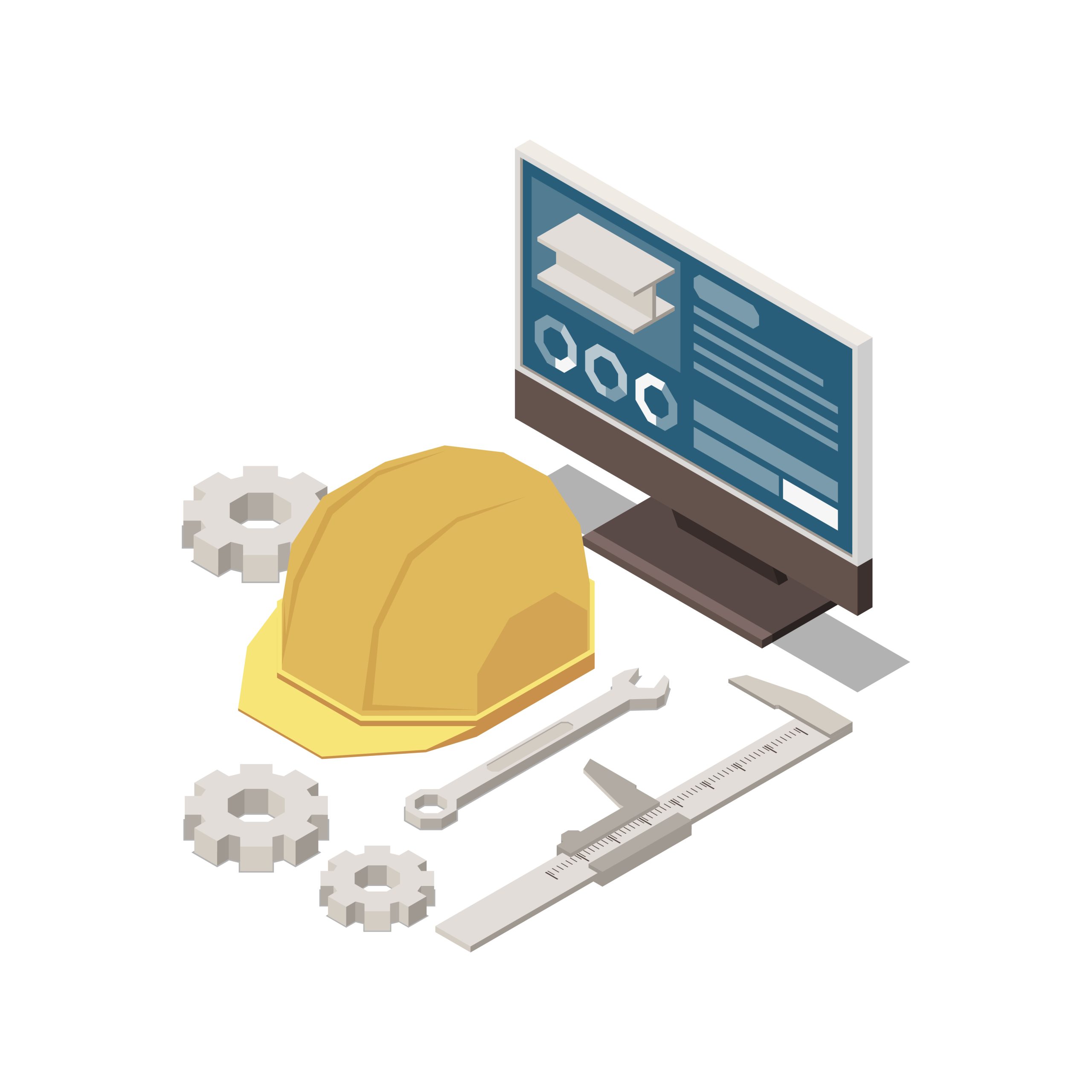
From 2D to 3D: Transforming Engineering Design
One of the most common challenges in engineering and design is moving from a flat 2D-drawing to a detailed 3D-representation. While 2D plans provide accuracy in dimensions and layouts, they often leave gaps in visualization. This leads to misinterpretation, errors, or inefficiencies during manufacturing and construction. This gap between 2D and 3D understanding can be especially difficult for student engineers, who are just learning to connect technical drawings with real-world structures, and for professionals managing increasingly complex projects.
Why the Shift from 2D to 3D Matters
Transitioning from 2D to 3D is more than just a visual upgrade; it’s about creating a digital model that captures every angle, component, and interaction. For instance, a structural beam may appear correct on a 2D-plan, but when modeled in 3D, potential clashes with mechanical systems or fabrication limitations become visible. This shift ensures better coordination, reduces costly mistakes, and improves communication across teams.
CAD Modeling: Building the Bridge
CAD modeling plays a crucial role in bridging the gap between flat drawings and complete 3D’s representations. By using CAD software, engineers can simulate how parts fit together, check tolerances, and even run performance tests. For students, learning CAD modeling early provides a strong foundation in problem-solving and visualization. For professionals, it ensures projects are precise, efficient, and aligned with client expectations.
Structural Shop Drawings in the 2D to 3D Workflow
Even with advanced modeling, structural shop drawings remain essential. They provide the detailed, dimension-specific information needed for fabrication and assembly. Reporting these in both 2D and 3D formats allows engineers and fabricators to work together seamlessly—combining the clarity of 2Ddrawings with the accuracy of 3D models. This dual approach reduces errors and ensures that what’s built on-site matches the design intent.
Fabrication Layouts for Real-World Results
Once the digital design is finalized, fabrication layouts convert complex 3D models into practical instructions for manufacturing or construction. This includes cutting lists, assembly guides, and material specifications. By combining 2D-clarity with 3D’s visualization, fabrication layouts streamline production, reduce waste, and shorten delivery times.
The Future with Engineering Designs
Moving from 2D-3D is no longer optional in engineering—it’s a necessity. Whether you are a student developing your first CAD models or a professional coordinating large-scale projects, mastering this transition is the key to accuracy and efficiency. By combining CAD modeling, structural shop drawings, and fabrication layouts, engineers can transform challenges into opportunities, creating smarter designs and stronger outcomes.
See more with Blogs of Jebcad